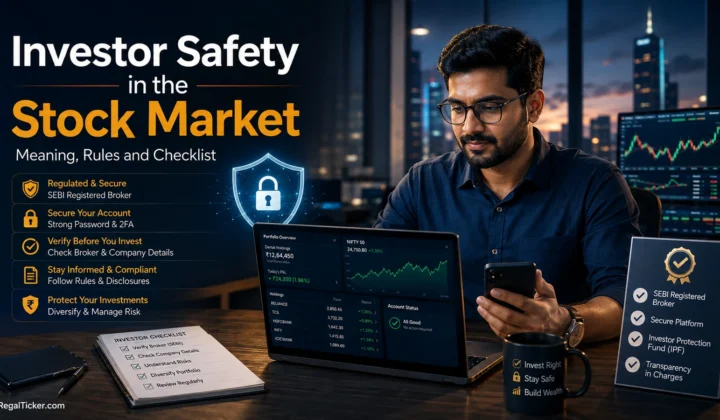
What Is Investor Safety in the Stock Market? Meaning, Risks and Protection Framework
Learn what investor safety means in the stock market, including scam prevention, regulated intermediaries, account security, transaction checks and investor…

Learn stock market investor safety in India through an ordered path covering scams, fake trading apps, SEBI intermediary checks, Demat security, information verification and complaint channels.
Investor safety is different from normal market risk. A share can fall even when every account and transaction is legitimate; safety failures arise when fraud, impersonation, fake applications, compromised credentials, misleading claims or unauthorised activity create avoidable loss. This learning path separates those risks and shows the checks an investor can control.
Start with the safety framework, then learn to identify scams, verify intermediaries, secure Demat and trading access, validate market information and escalate unresolved grievances. Use official regulator, exchange and grievance portals whenever identity, registration, payment instructions or complaint status must be verified.
Jump directly to the guide that matches the warning sign or problem in front of you.
Use the recommended learning order, or jump directly to the guide you need.
Learn what investor safety means in the stock market, including scam prevention, regulated intermediaries, account security, transaction checks and investor…

Learn how to identify stock market scams using common warning signs, verification checks, realistic return expectations and safer steps before…
Learn how a pump and dump scheme works, why stock prices rise suddenly, the warning signs of manipulation and how…
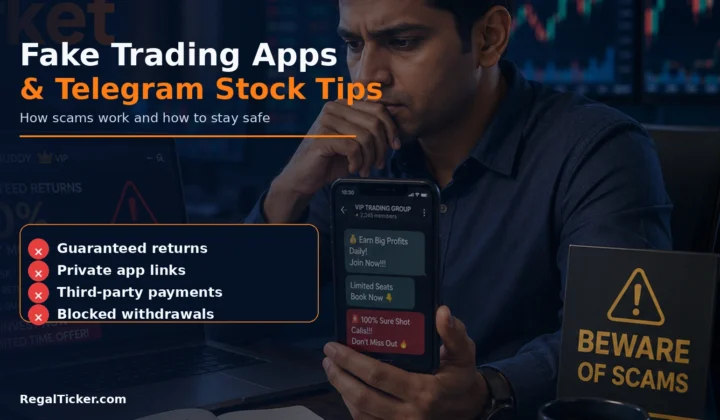
Learn how fake trading apps and Telegram stock-tip scams work, the warning signs to watch for, how to verify trading…
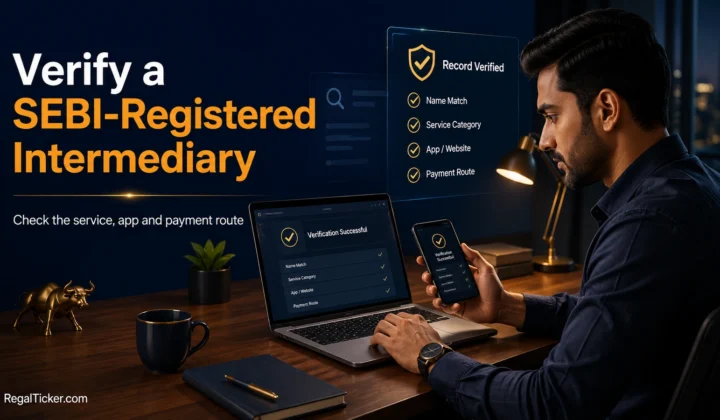
Learn how to verify a SEBI-registered broker, adviser, research analyst or depository participant before investing or transferring money.
Learn how investment fraud and mis-selling differ, common warning signs, suitability checks, investor rights and complaint options in India.
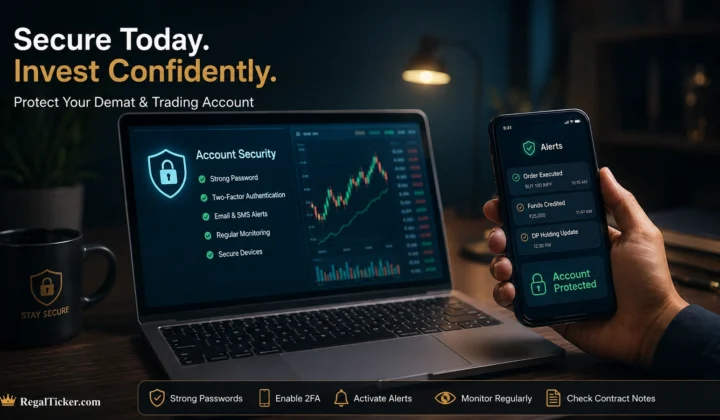
Learn how to secure your demat and trading account using strong passwords, SMS alerts, account monitoring and safe transaction practices.
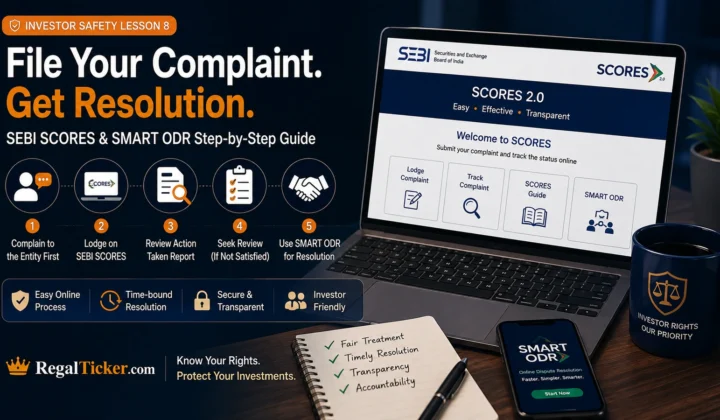
Learn how to file and track a complaint on SEBI SCORES, request reviews and use SMART ODR for unresolved securities-market…
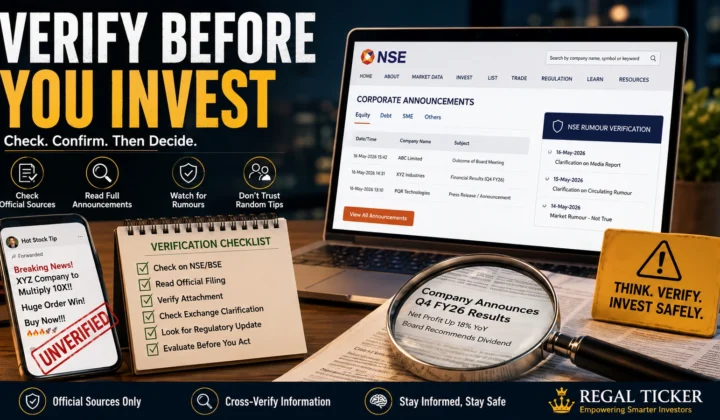
Learn how to verify stock market news, company announcements, corporate actions, social-media claims and investment rumours before acting.
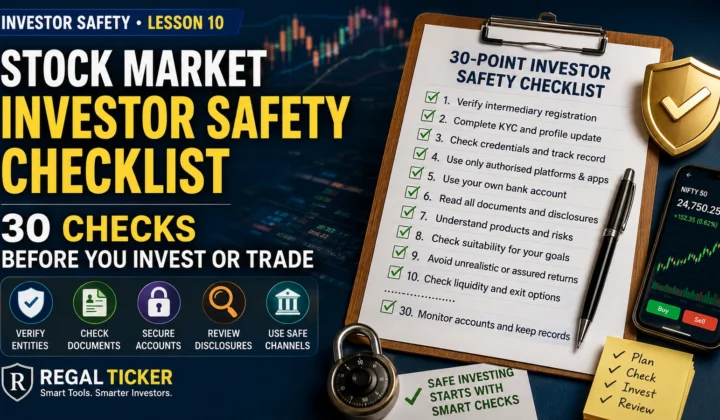
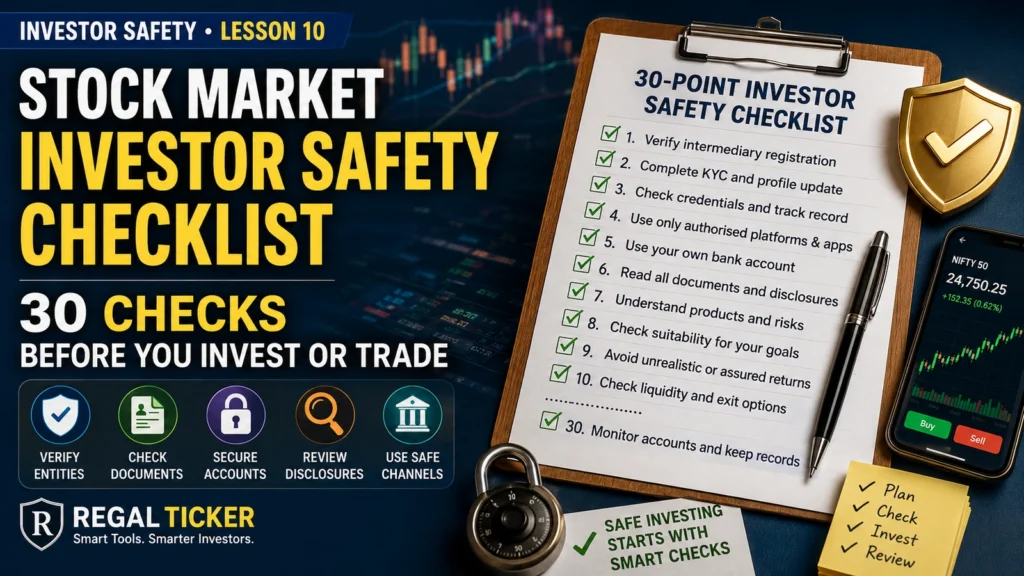
Use this 30-point stock market investor safety checklist to verify brokers, protect accounts, test claims and monitor every investment or…
These calculators do not detect fraud or verify an intermediary. Use them only to quantify normal trading cost and planned market risk after you have independently verified the account, broker and transaction channel.
Estimate normal trading charges so you can compare your own figures with the broker’s official pricing and contract note.
Open calculatorQuantify planned market loss and reward separately from fraud, account-security and intermediary risks covered in this hub.
Open calculator
Use this 30-point stock market investor safety checklist to verify brokers, protect accounts, test claims and monitor every investment or trade.
Read Latest ArticleUse official regulator, exchange and grievance resources to verify registrations, fraud warnings and complaint routes. Never rely only on a registration screenshot, forwarded link, social-media profile or caller-provided contact detail.
No. Investor safety reduces avoidable fraud, account, intermediary and information risks. It cannot remove market risk or guarantee a return on any investment.
Verify the legal entity, registration number and permitted activity independently through SEBI and the relevant recognised exchange or depository. Do not rely only on a screenshot, logo, social-media profile or link supplied by the person making the claim.
No. Keep login credentials, passwords, OTPs and TPINs confidential. If someone requests them, stop the interaction and contact the intermediary again through independently verified official channels.
First raise the grievance with the concerned regulated entity. If it remains unresolved, use the applicable exchange or depository process and SEBI SCORES; SMART ODR may be available for eligible unresolved disputes.