
Lesson 01
Beginner
What Is a Demat Account and How Does It Work?
Learn what a demat account is, how NSDL, CDSL and Depository Participants work, and how shares are held safely in…
Learn how Demat and trading work in India through an ordered beginner-friendly path covering accounts, KYC, order types, settlement, trading costs and safer market practices.

Before an investor can buy and hold a listed share, money, orders and securities must move through different accounts and market intermediaries. This learning path explains that journey in the order a beginner is most likely to need it—from understanding Demat and trading accounts to completing KYC, placing an order, checking execution, following settlement and calculating the final cost.
Follow the lessons in sequence if you are new to market access, or open the guide that answers your immediate question. Each lesson covers one topic in depth and connects to relevant official references, related lessons and practical calculators only where a calculation genuinely helps.
Use the recommended learning order, or jump directly to the guide you need.
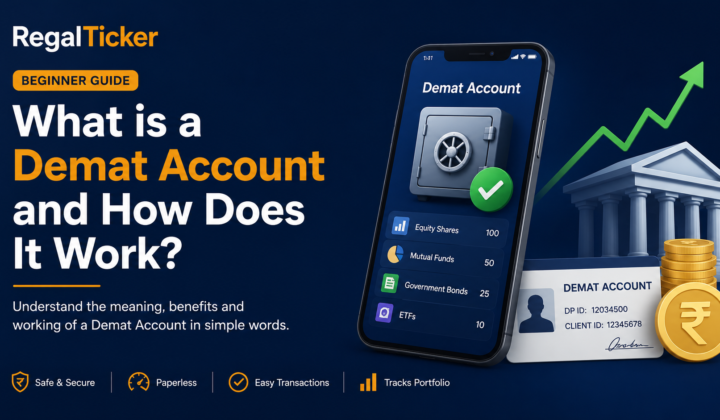
Learn what a demat account is, how NSDL, CDSL and Depository Participants work, and how shares are held safely in…
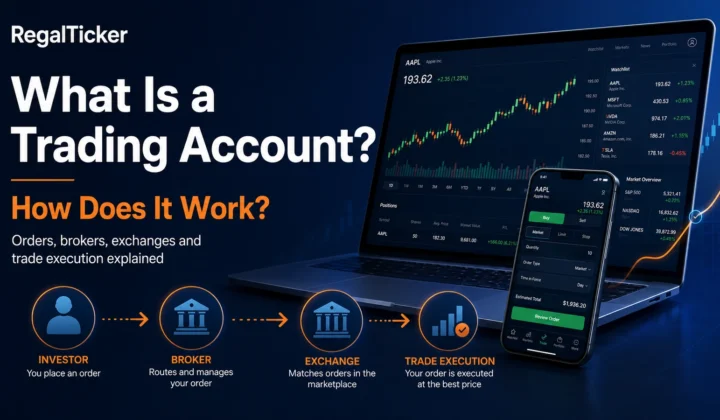
Learn what a trading account is, how stock-market orders move through a broker and exchange, and how it connects with…
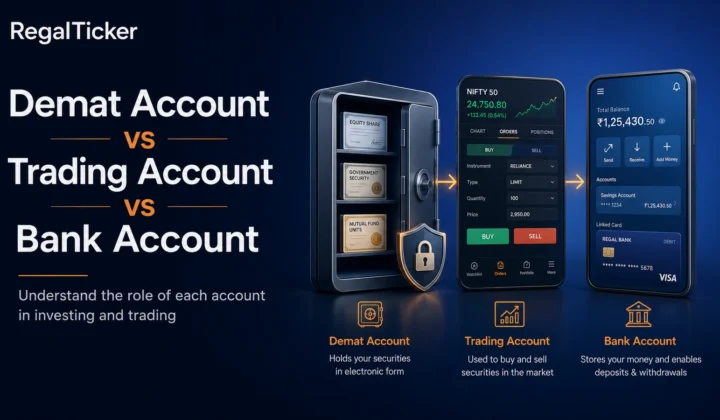
Compare demat, trading and bank accounts, learn what each one stores, and see how money, orders and shares move when…
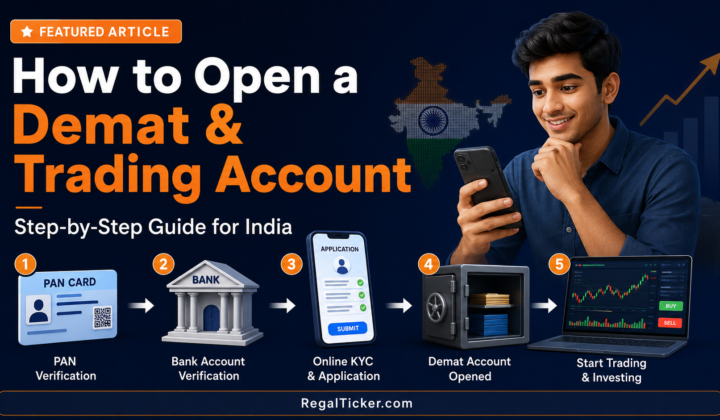
Learn how to open a Demat and trading account in India, which documents you need, how KYC works, what charges…
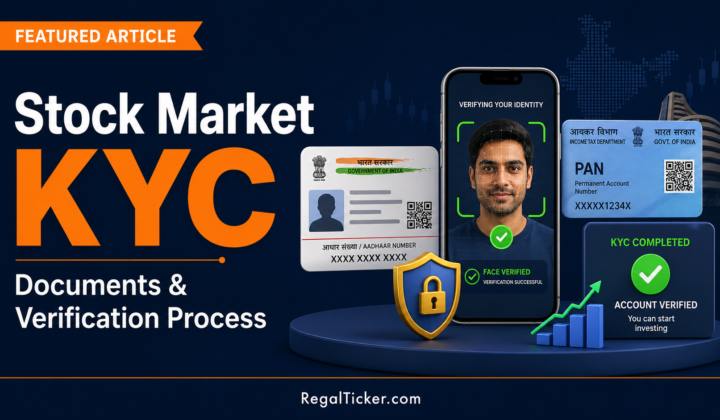
Understand stock market KYC in India, the documents and six essential details required, how IPV and KRA verification work, and…
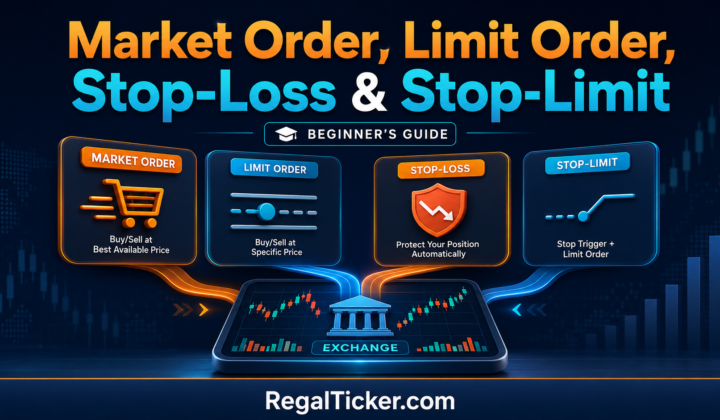
Learn the difference between market, limit, stop-loss and stop-limit orders with simple Indian stock-market examples, risks and practical uses.
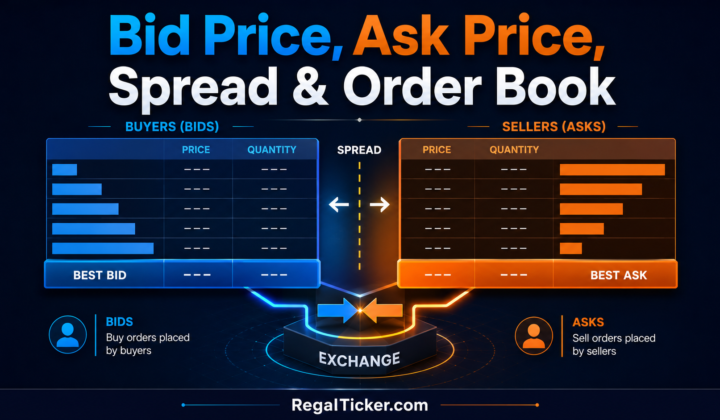
Learn bid price, ask price, bid-ask spread, order book, market depth, liquidity and price-time priority with simple Indian market examples.

Learn the difference between delivery and intraday trading, including ownership, settlement, leverage, costs, risks and beginner-friendly examples.
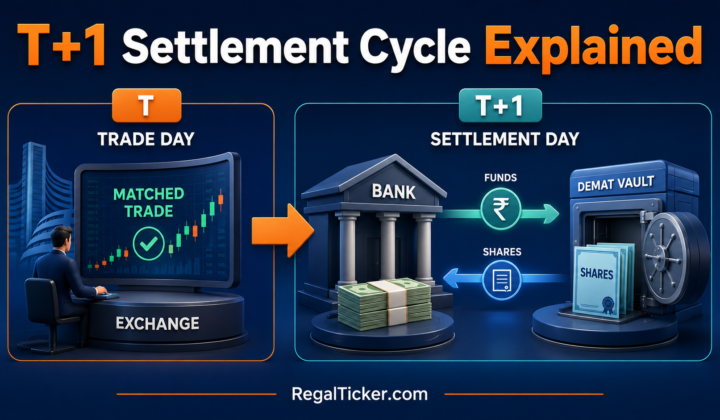
Learn how the T+1 settlement cycle works in India, including trade date, pay-in, pay-out, Demat credit, holidays, short delivery and…
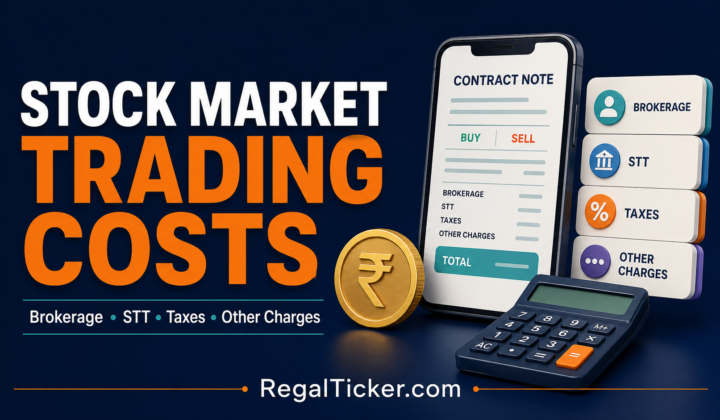
Buying a share at ₹500 and selling it at ₹510 does not necessarily mean you earned ₹10 per share. Every…
Understanding an account or order is only the first step. Use these calculators after reading the relevant lessons to test the financial effect using your own trade details.
Estimate brokerage and common transaction charges before comparing the result with your broker’s official pricing and final contract note.
Open calculatorEstimate tax on delivery-based share gains. Intraday and business-income classification can follow different tax treatment.
Open calculator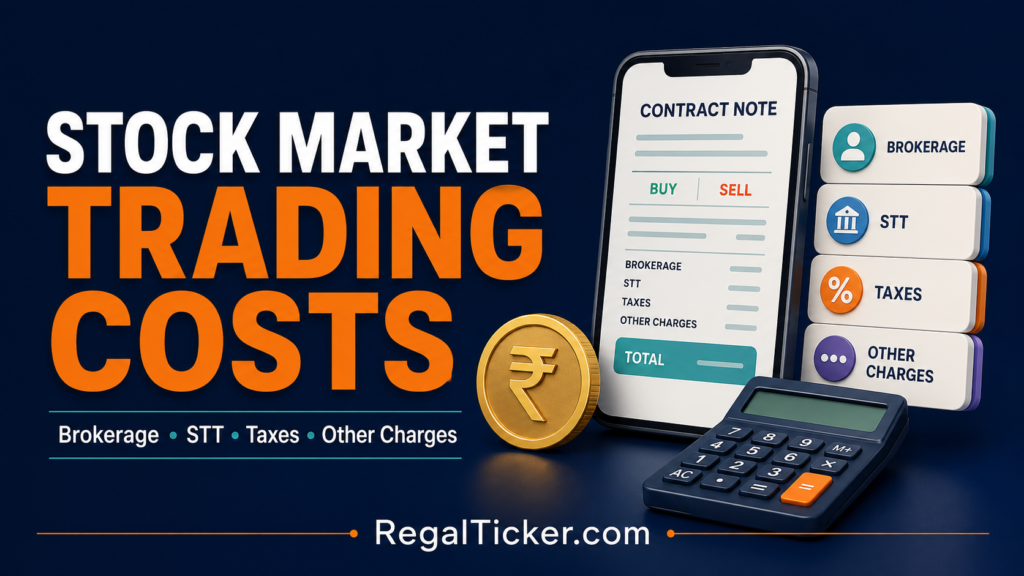
Buying a share at ₹500 and selling it at ₹510 does not necessarily mean you earned ₹10 per share. Every trade may include brokerage, Securities Transaction Tax (STT), exchange transaction charges, a…
Read Latest ArticleUse these official resources to verify the concepts and current market guidance covered in this learning path.
No. A trading account is used to place buy and sell orders, while a Demat account holds eligible securities electronically after settlement.
The bank account handles money, the trading account handles orders and the Demat account holds securities. Linking them allows funds and securities to move through the investing process.
Start with the first lesson on Demat accounts, then understand trading accounts before moving through account opening, KYC, order types, settlement and trading costs.
Use the Brokerage Calculator for an estimate, then confirm the final amount against your broker’s official pricing and contract note.